

Sep 01, 2026
Field Trip in 2026 Summer
OBJECTIVE.
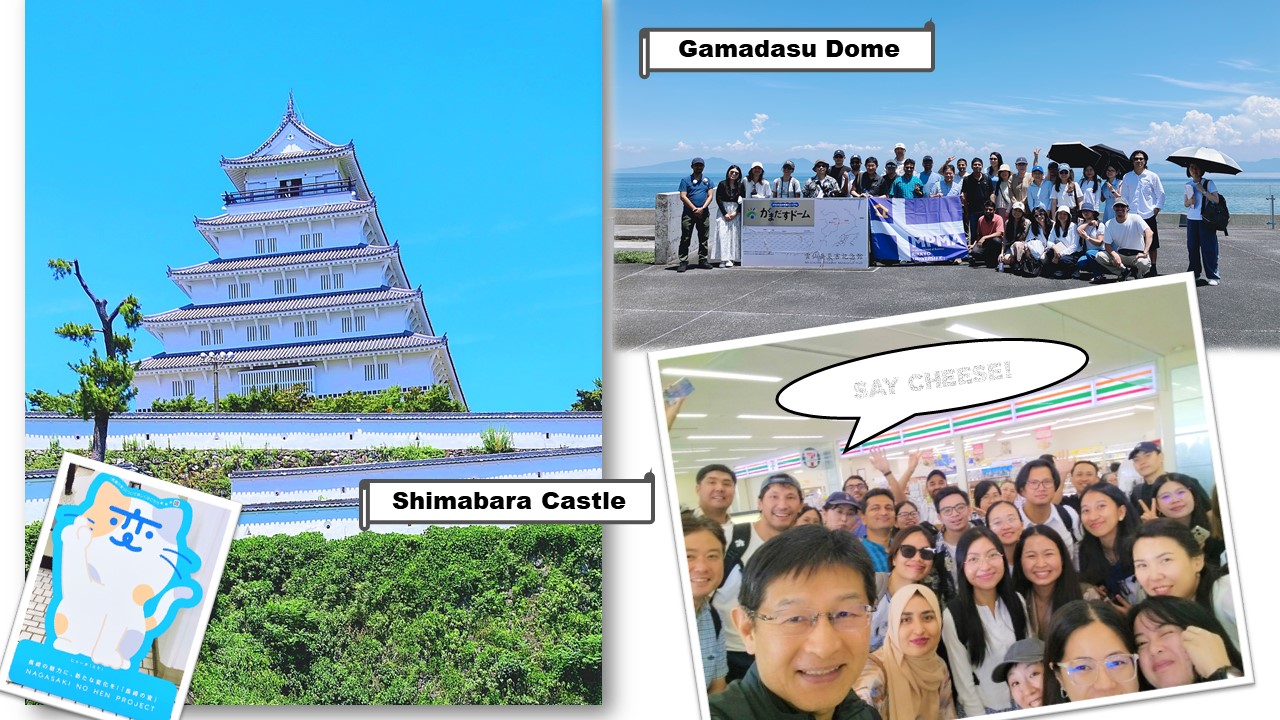
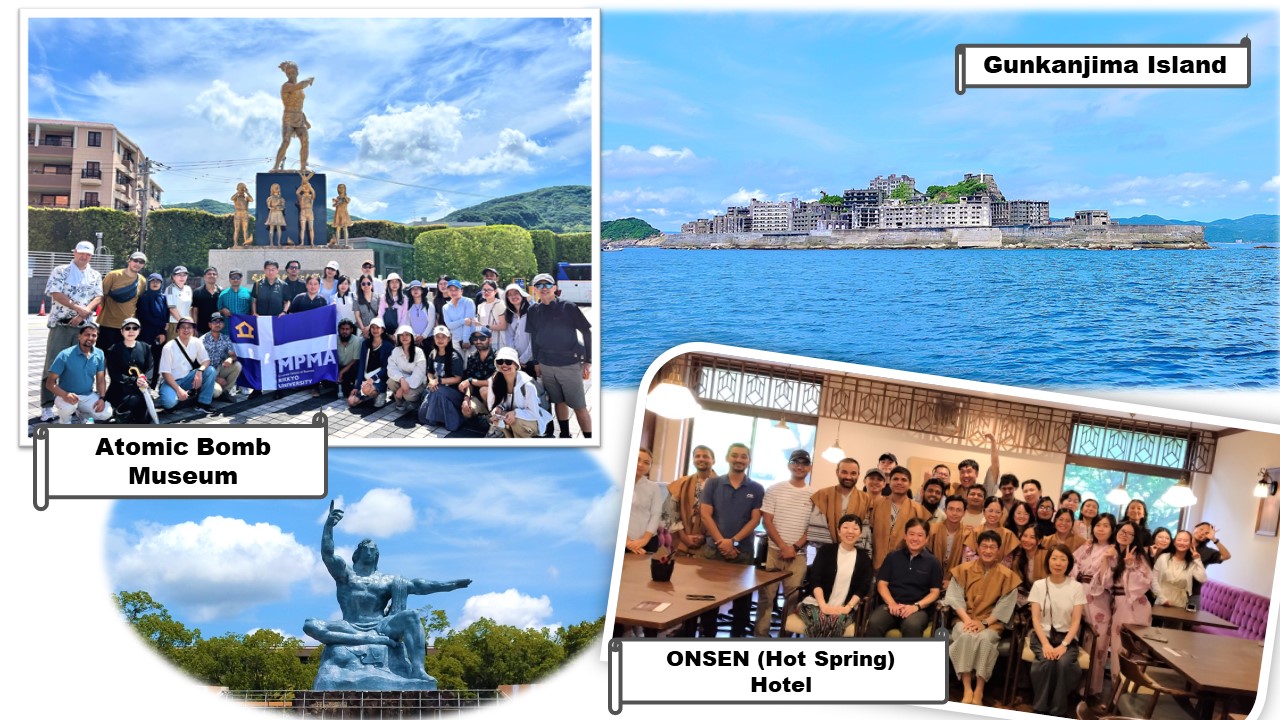
On 27–28 July 2026, twenty‑eight vibrant MPMA students from Cambodia, Bangladesh, Vietnam, the Philippines, Nepal, the Kyrgyz Republic, Mongolia, and Lao PDR embarked on an unforgettable learning journey to Nagasaki — a city where history, resilience, and innovation converge.
The first day began at Shimabara Castle, a landmark that brings 250 years of feudal heritage to life. Students explored exhibits on Christian history and the Mount Unzen disaster, all while enjoying panoramic views of the Shimabara region from the castle’s upper floors.
Their understanding deepened at the Gamadasu Dome (Mt. Unzen Disaster Memorial Hall), where they witnessed the powerful impact of natural disasters through preserved houses swallowed by mudflows — a striking, real‑world reminder of nature’s force.
Day two featured two iconic destinations central to Japan’s modern history: the Nagasaki Atomic Bomb Museum and Gunkanjima Island.
The museum’s powerful exhibits, dedicated to nuclear abolition and lasting world peace, offered students a moving and thought‑provoking experience.
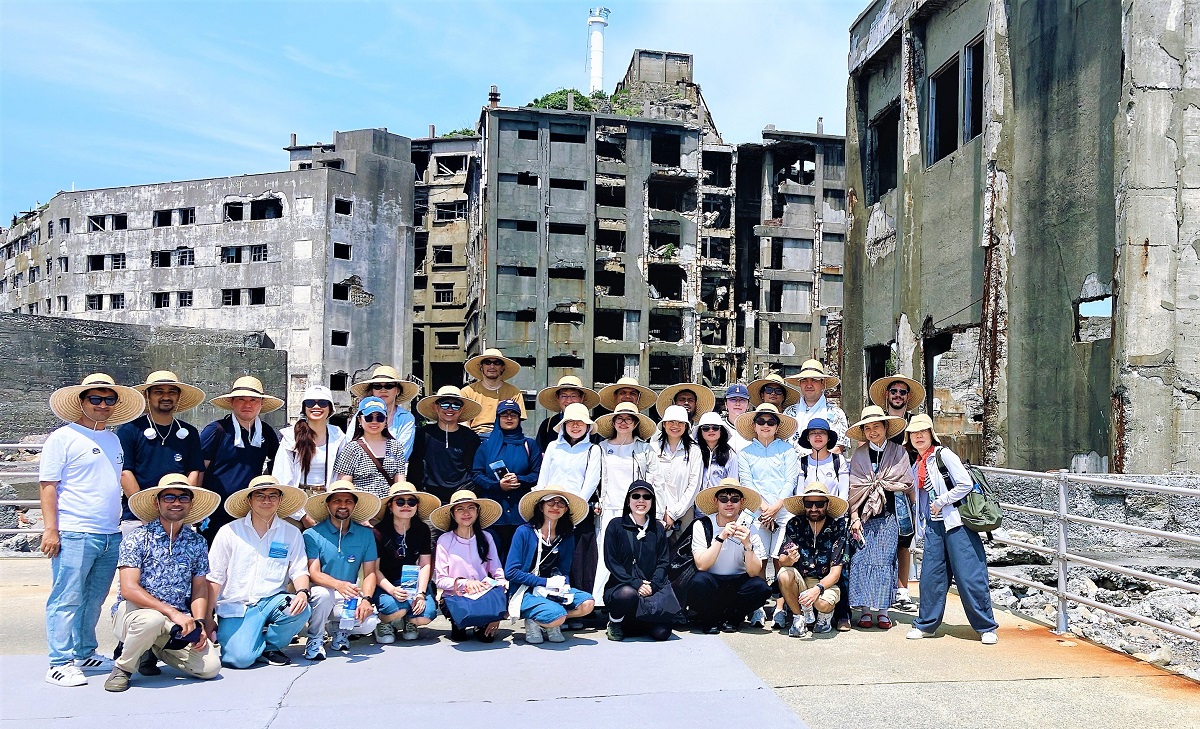
Despite the summer heat, excitement soared during the Gunkanjima Island tour. Once home to undersea coal mines established in 1887, the island stands today as a dramatic symbol of Japan’s rapid industrialization — and a highlight of the trip.
Nagasaki proved to be an exceptional classroom, offering rich historical insights from multiple perspectives. Beyond academic learning, students strengthened friendships — chatting and playing games on the bus, and unwinding together at a cozy onsen hotel in the evening. The trip blended education, cultural immersion, and camaraderie, making it a truly memorable experience for everyone involved.
The first day began at Shimabara Castle, a landmark that brings 250 years of feudal heritage to life. Students explored exhibits on Christian history and the Mount Unzen disaster, all while enjoying panoramic views of the Shimabara region from the castle’s upper floors.
Their understanding deepened at the Gamadasu Dome (Mt. Unzen Disaster Memorial Hall), where they witnessed the powerful impact of natural disasters through preserved houses swallowed by mudflows — a striking, real‑world reminder of nature’s force.
Day two featured two iconic destinations central to Japan’s modern history: the Nagasaki Atomic Bomb Museum and Gunkanjima Island.
The museum’s powerful exhibits, dedicated to nuclear abolition and lasting world peace, offered students a moving and thought‑provoking experience.
Despite the summer heat, excitement soared during the Gunkanjima Island tour. Once home to undersea coal mines established in 1887, the island stands today as a dramatic symbol of Japan’s rapid industrialization — and a highlight of the trip.
Nagasaki proved to be an exceptional classroom, offering rich historical insights from multiple perspectives. Beyond academic learning, students strengthened friendships — chatting and playing games on the bus, and unwinding together at a cozy onsen hotel in the evening. The trip blended education, cultural immersion, and camaraderie, making it a truly memorable experience for everyone involved.
